Service
Tree Trimming & Pruning
Crown thinning, deadwood removal, structural pruning, and clearance work — done at the right time of year for the health of the tree.
What's included
Here's how we approach it.
- Crown thinning to improve light and airflow.
- Deadwood and broken limb removal.
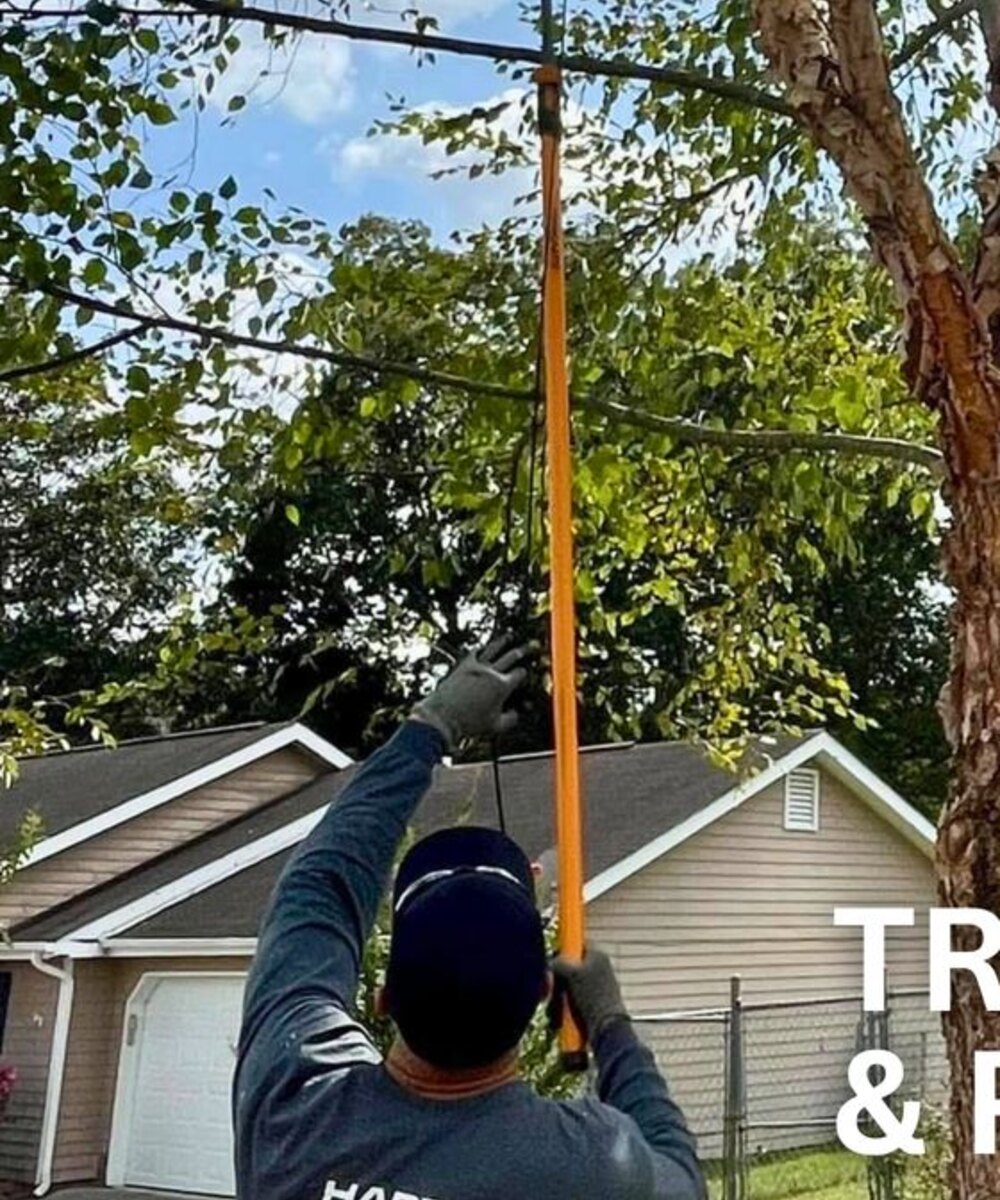
- Clearance pruning above roofs, drives, and walkways.
- Structural pruning for young trees and correction after broken or damaged limbs.
- Cuts made at the branch collar — never flush cuts or topping.
- Brush, sticks, and job debris cleaned up and hauled.
More detail
What to expect, from quote to cleanup.
Good pruning is invisible. After we leave, the tree should look like itself — just lighter, cleaner, and safer. We don't top trees, we don't lion's-tail, and we don't make flush cuts. Those shortcuts make a tree look done in a week but cost you the tree in five years. The right cuts heal, hold structure, and keep the canopy in good shape for decades.
Common questions
FAQ.
When's the best time to trim?
Most hardwoods in our area do best with light pruning in late winter or early spring before bud break. Hazard work happens whenever the tree calls for it.
How much should I remove?
Generally no more than 20-25% of the live canopy in a single year. Removing more stresses the tree.
Will it look weird after?
It shouldn't. Good pruning should be barely noticeable — just better light, better airflow, and a cleaner silhouette.
Do you top trees?
No. Topping ruins a tree's structure and shortens its life. If a tree needs to be that short, it should come down.